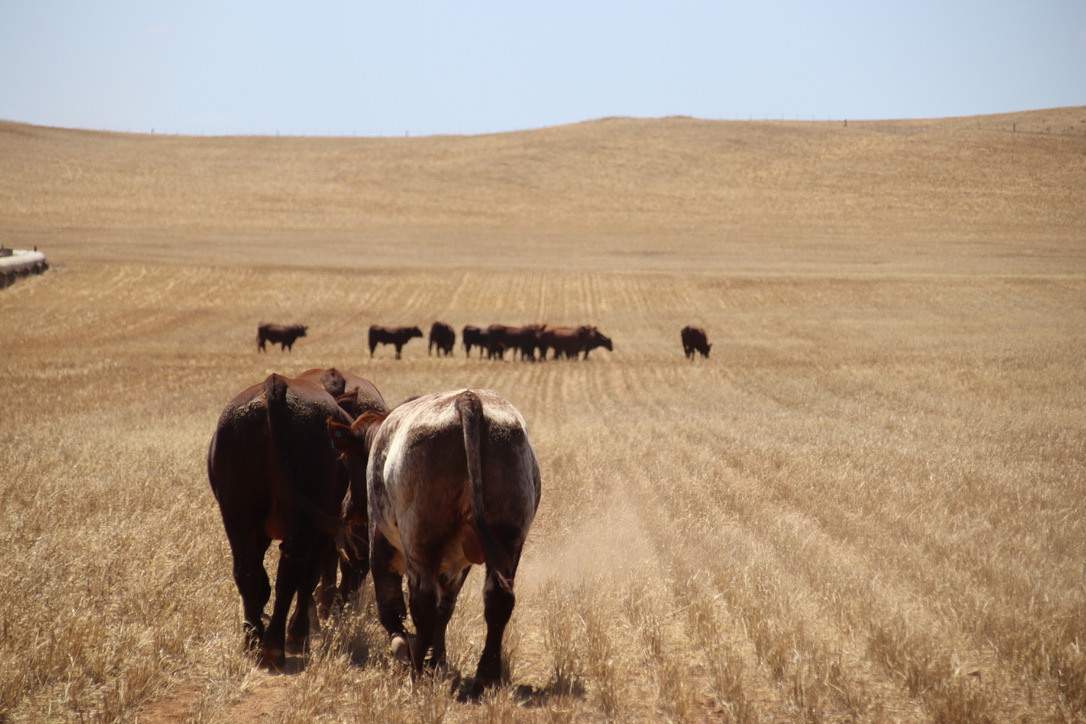
Fuel excise relief welcome, but fertiliser and freight costs continue to squeeze livestock producers
Documents & Downloads
30 March 2026
Fuel excise relief welcome, but fertiliser and freight costs continue to squeeze livestock producers
Livestock SA has welcomed the Federal Government’s decision to temporarily halve the fuel excise on petrol and diesel, while warning that rising fuel, freight and fertiliser costs are placing South Australian livestock producers under increasing financial strain, with flow‑on impacts for food production, animal welfare and regional economies.
From 1 April, the fuel excise will be reduced by 26.3 cents per litre for three months, alongside a temporary reduction of the heavy vehicle road user charge to zero. While the measures aim to ease cost‑of‑living pressures, Livestock SA says the relief does not address the reality facing producers who are forced to absorb rising costs across every stage of production.
Livestock SA Chair, Gillian Fennell said livestock producers are price takers, not price setters, and have no capacity to pass increased costs down the supply chain.
“Fuel underpins every part of agricultural production, from running machinery and moving livestock, to delivering feed, animal health products and fertiliser. Producers are already reporting freight surcharges of up to 40 per cent, alongside rising costs for fertiliser, animal health treatments and supplements. These are not discretionary inputs; they are critical to productivity and animal welfare.” Ms Fennell said.
Recent national reporting shows producers across Australia are selling stock and machinery, delaying operations or reconsidering production altogether to manage soaring diesel prices, with fuel costs doubling in some regions since late February. National farming bodies have warned that escalating fuel and transport costs are already cutting into tight margins and threatening food security, animal welfare and regional jobs.
Gillian Fennell said the impacts are being felt most acutely at the farm gate, long before food reaches supermarket shelves.
“Farmers buy everything at retail prices, sell at wholesale prices, and pay the freight both ways,” Ms Fennell said”.
Ms Fennell said rising input costs place pressure not only on profitability, but on productivity and animal welfare outcomes, and the current situation highlights a long‑standing imbalance in the agricultural supply chain.
When the cost of essential treatments, feed, fertiliser and transport rises this sharply, producers are forced to make difficult decisions,” she said. “That has implications beyond farm profitability. It affects animal health, productivity and ultimately the cost of producing the high‑quality red meat Australian consumers expect.”
“Farmers buy everything at retail prices, sell at wholesale prices, and pay the freight both ways,” Ms Fennell said, and right now, that reality is being magnified by global events well beyond producers’ control.”
Livestock SA warned that while consumers may see higher food prices at the checkout, producers are unlikely to see any benefit. “There is a misconception that higher retail prices flow back to farmers, they don’t,” Ms Fennell said. “If anything, producers are wearing more of the cost than anyone else in the system.”
Livestock SA said the current fuel crisis highlights the vulnerability of agricultural supply chains and the need for longer‑term solutions around fuel security, freight resilience and regional supply prioritisation.
“This is a critical moment to be transparent with the public about how global shocks flow through to the farm gate,” “South Australia produces healthy, high‑quality red meat for domestic and global markets, but that production is heavily influenced by market conditions and input costs beyond producers’ control.”
Livestock SA will continue to advocate for policies that recognise agriculture as a critical industry and support producers through volatile global conditions, ensuring food production, animal welfare and regional economies are protected.
South Australia’s red meat and wool industries contribute more than $4.49 billion to the state economy each year and support thousands of jobs across regional communities.
- Chair Gillian Fennell is available for interview.
Further information:
Cathy McHugh
Communications Manager
0412 515 819
About Livestock SA:
Livestock SA is the peak industry body representing South Australia’s livestock producers, including more than 5,200 sheep producers, 2,700 beef cattle producers and several hundred goat producers across the state.
South Australia’s red meat and wool industries contribute approximately $4.49 billion to the state’s economy each year, and employ over 21,000 South Australians, accounting for 28% of all agricultural sector jobs.